Last Friday was HCA's third (and potentially last) Connected Class and so our big question was a combination of several different ones all along the lines of what makes work "good" or "stand out". The video we watched (and you can watch it here) was a TED talk by Thomas Hetherwick. His work stands out to me for a couple of reasons; it's innovative and unconventional, but not for the sake of it. For example, he didn't re-design the power station just because he could. He was solving problems and there was a thought process behind every element. He clearly considers the space in which his designs will exist and how they will interact with it's current inhabitants.
We also discussed the future of our cclasses and I'm so pleased that we've decided to continue. It's been such a great experience and I've really enjoyed the collaborative element by taking the classes with students from different subject areas.

Tuesday, May 17, 2016

Wednesday, May 11, 2016
How far could Augmented Reality provide a different dimension to visual arts practice?
Last Friday was our second Connecting Class. Our big question this time was considering how we might be able to use augmented reality in our studio practices.
I had a small problem at the start getting the video clips to play and so I had to share a device with another student. The technologies we learnt about in the video are amazing, the kind of thing you might see in a science fiction film! In March I had the opportunity to witness these technologies first hand; at the Photography show I visited a stand where the company had embedded a digital slide show into their photo albums. The discussion we had afterwards was very lively and we probably haven't scratched the surface! I think for me, I can see the benefits of augmented reality in terms of education but I'm a little worried that if we take it too far it will become the "norm" and could potentially spoil organic experiences.
I had a small problem at the start getting the video clips to play and so I had to share a device with another student. The technologies we learnt about in the video are amazing, the kind of thing you might see in a science fiction film! In March I had the opportunity to witness these technologies first hand; at the Photography show I visited a stand where the company had embedded a digital slide show into their photo albums. The discussion we had afterwards was very lively and we probably haven't scratched the surface! I think for me, I can see the benefits of augmented reality in terms of education but I'm a little worried that if we take it too far it will become the "norm" and could potentially spoil organic experiences.
Tuesday, May 10, 2016
P10 studio shoot 2
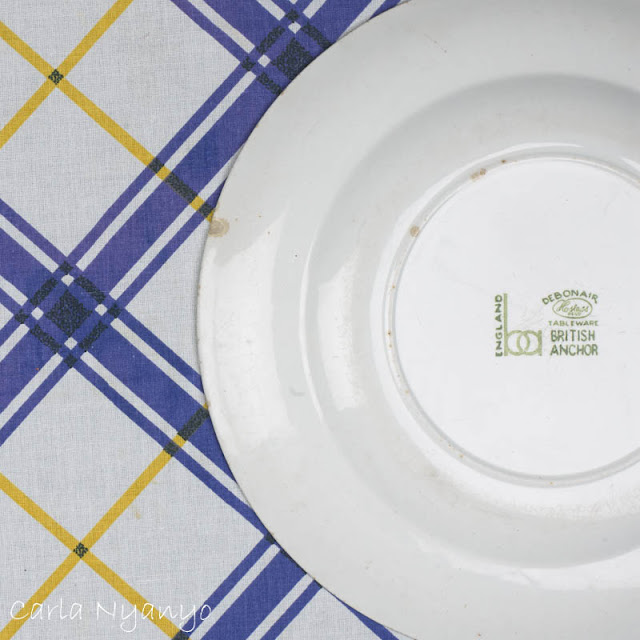
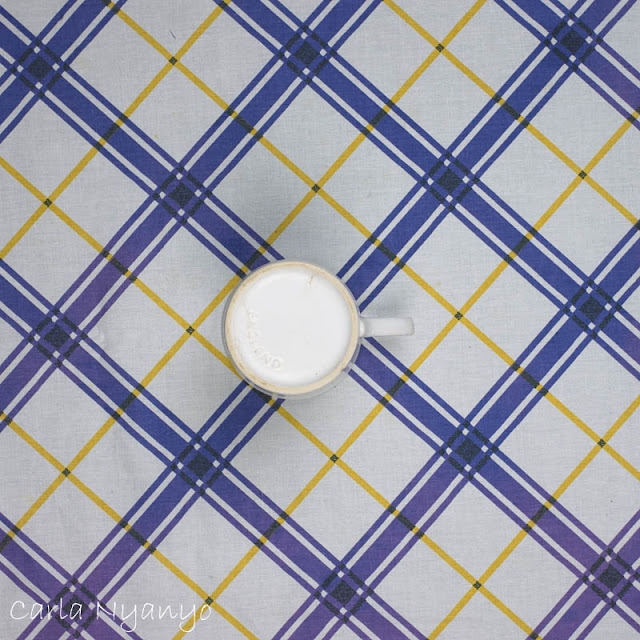
For my second shoot I borrowed a table cloth from one of my lecturers so I could start to see what the objects look like photographed against a patterned background. While I much prefer these images to the bright white background from the previous shoot I'm not sure this table cloth is "the one". It's quite a big, bright pattern which, I feel, distracts from the objects, especially where they lie flat against the surface.





Thursday, May 05, 2016
Where's the bread and butter?- Employability in creative arts
"Where's the bread and butter?" Our Big Question and focus point for the first Connecting Class at Hereford College of Arts. #CClasses is a pioneering teaching method for the creative arts designed by Jonathan Worth (who probably explains it better on his website than I can here) and HCA is one of a small handful of institutions taking part at the moment.
The class took place last week and was a truly unique experience. A small group of us came together on Friday morning to watch a 20 minute preprepared video relating to our question, tweeting notes as we went. The twist here is that video was on line and so we all watched it on individual devices. The idea of this sounded a little odd to me to begin with however, I feel that it worked well as it meant we could watch it in our own time, pausing it and revisiting parts as we needed to.
After a half an hour break we had a seminar discussing our notes. Admittedly, I didn't say a huge amount during the discussion but I found it interesting to listen to the conversation. We concluded the session with the creation of our own theory which we've called "The bread and butter theory of employability in the visual arts", placing the maker in the middle surrounded by a Venn diagram of quality, communication and opportunism. I think that's something to be proud of.
Sunday, May 01, 2016
P10: First shoot in the studio
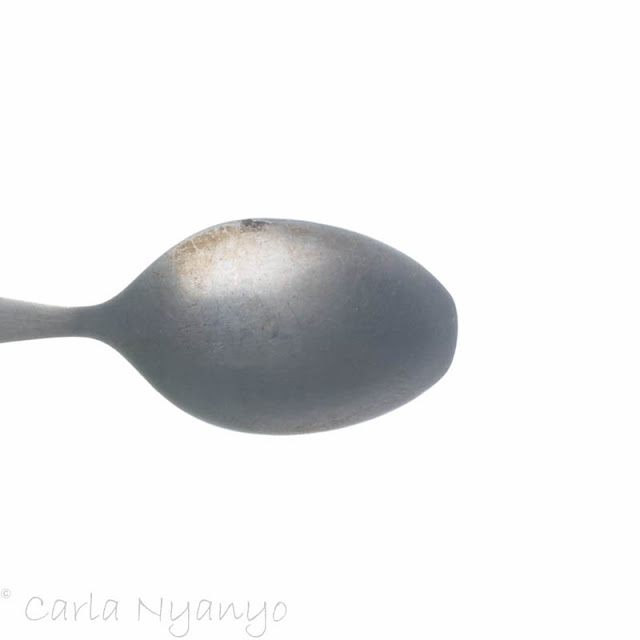
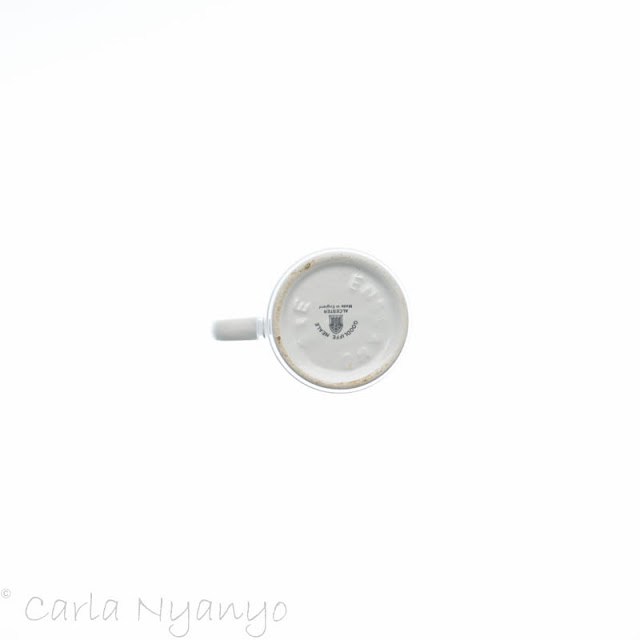
My initial thoughts for the look of the images was to photograph the objects against a clean, white background. So this is what I did for my first shoot in the studio. Safe to say this background is extremely white and actually, I'm not to sure about. To me the images feel cold which is opposite to the way I feel when I use them. Something that a few people mentioned at my assessment was how the sheet I used to photograph them against at home might work as the background because it reminded them of a table cloth. And this is why I love group tutorials and assessments because that's not even something that had crossed my mind at this point. So for my second shoot, which I did a couple of days after this one and shall be posting about later this week, I borrowed a proper table cloth from one of my tutors to get a feel for what a patterned background might look like.






Wednesday, April 27, 2016
P10 test shoot 2
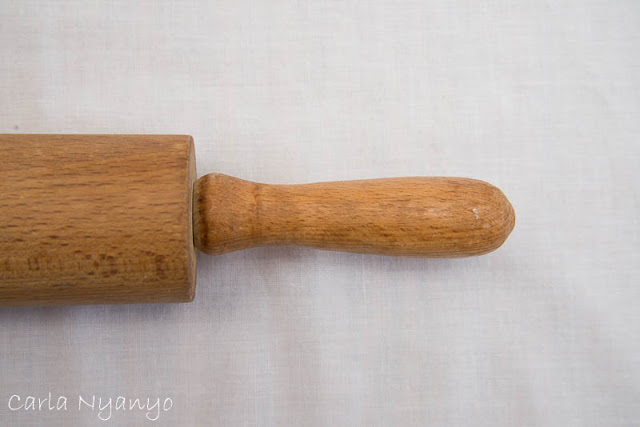
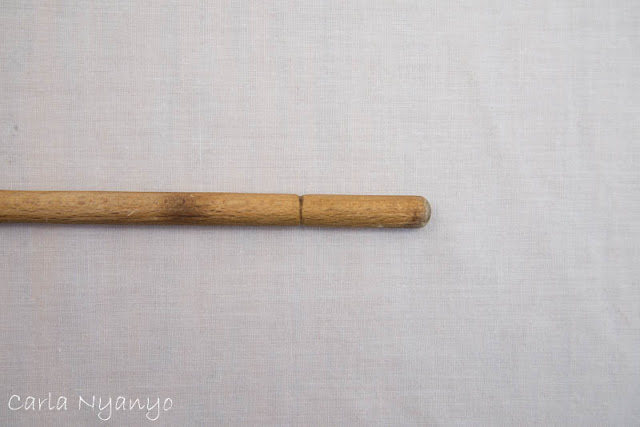
Looking over my images from my first test shoot the morning of the day before the assessment, I suddenly wasn't satisfied that I had enough of a variety of different images to submit. So I went on kind of a mad scramble that afternoon to do another shoot. This time I tried to think a little bit more about what it specifically was about the objects that makes them special to me and came to the conclusion that it's the fact they've been handled. They've had a whole life, so to speak, before they came into my possession. I photographed the objects much closer in this time, focusing on areas where they are held or you can see they have been used.





Subscribe to:
Posts (Atom)